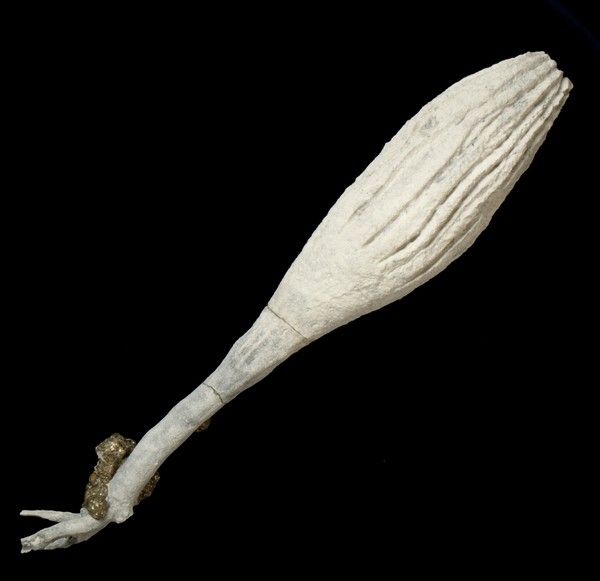
Figure 1 - Aulaxinia sulcifera, Alemannia, Höver. Height: 280 mm
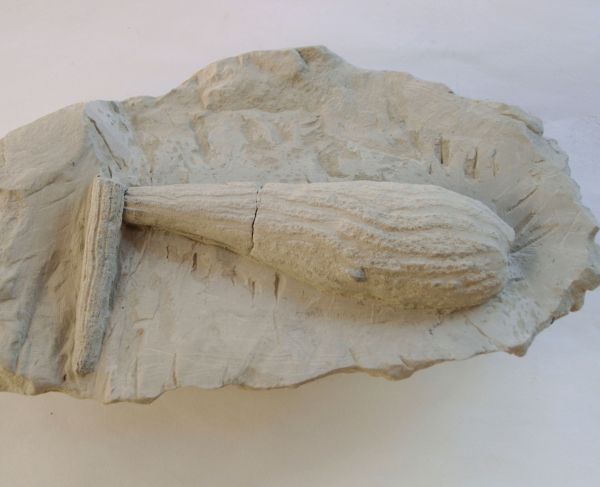
Figure 2 - Aulaxinia sulcifera, Teutonia, Misburg.
Reconstructed height: 150 mm)
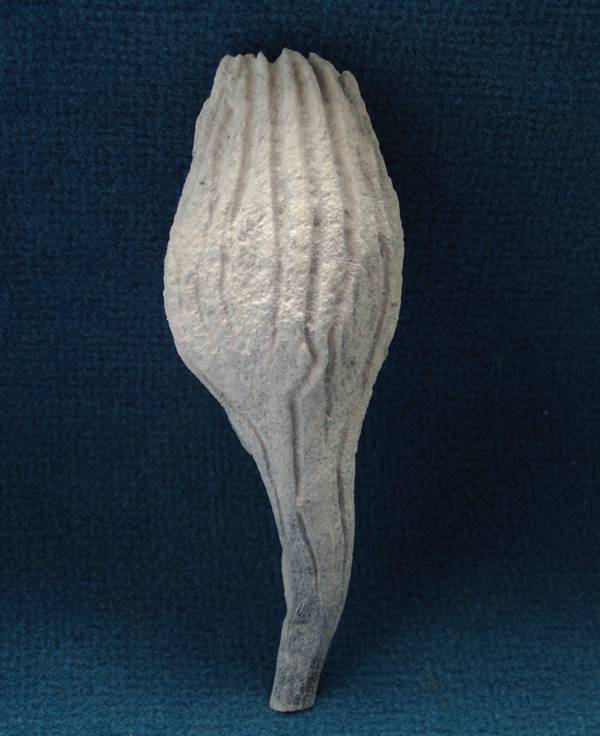
Figure 3 - Aulaxinia sulcifera, Alemannia, Höver.
Height: 140 mm
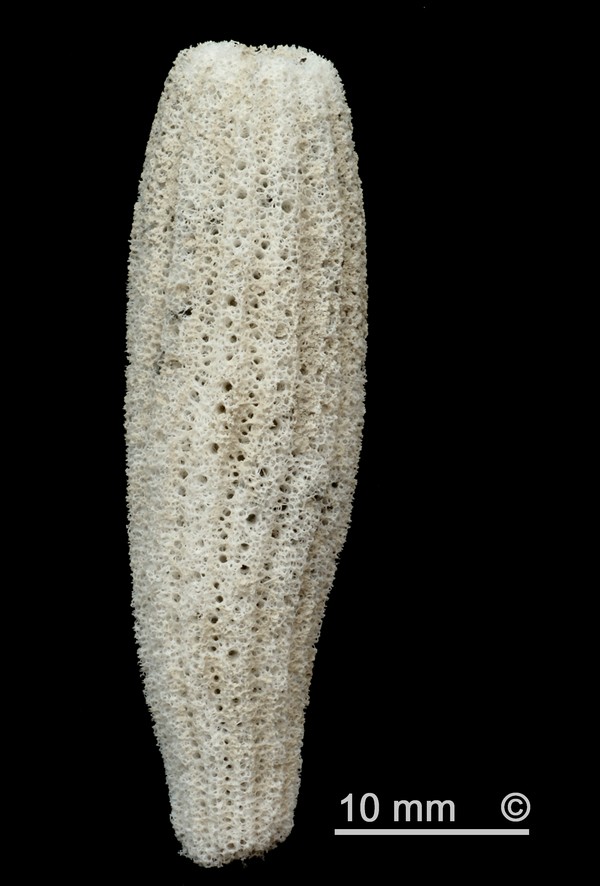
Figure 4 - Aulaxinia sulcifera (small individual), etched. Alemannia, Höver.
Height: 40 mm
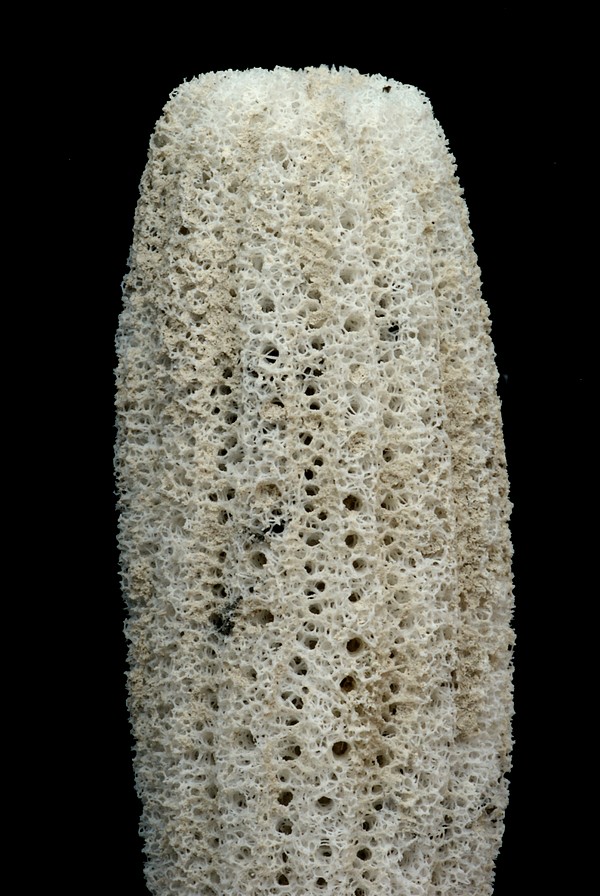
Figure 5 - Aulaxinia sulcifera.
Detail of Figure 4.
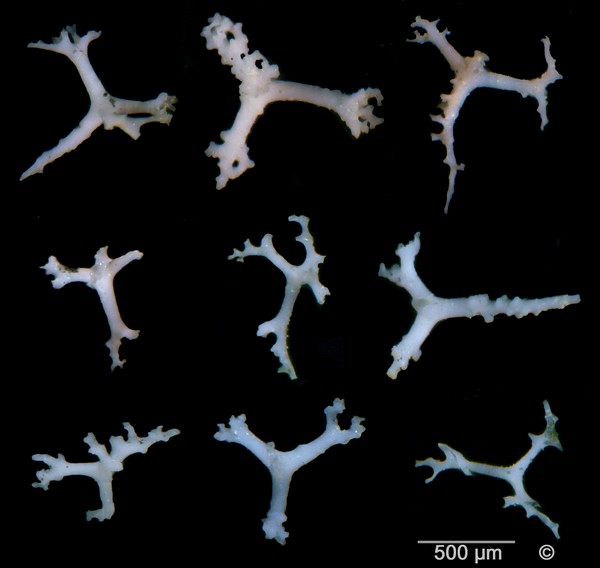
Figure 6 - Aulaxinia sulcifera.
Tetraclones.
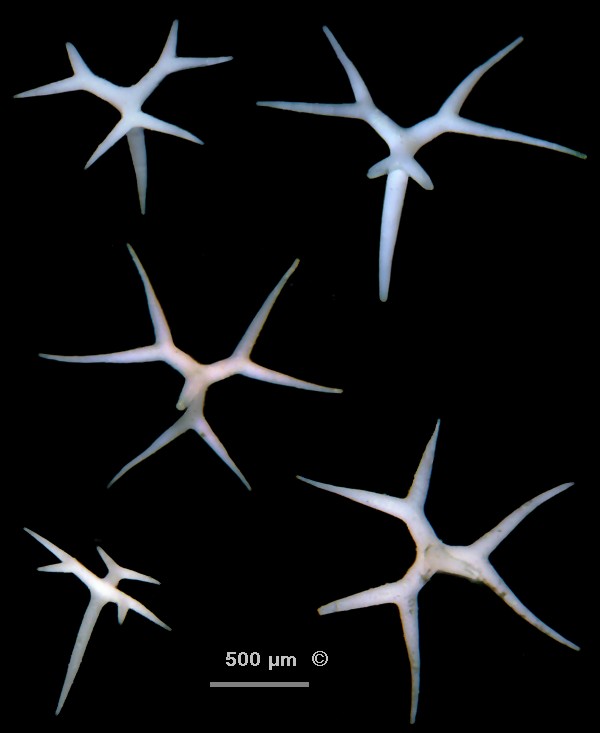
Figure 7 - Aulaxinia sulcifera.
Dichotriaenes.
Aulaxinia sulcifera
Roemer 1864
Aulaxinia sulcifera is a moderately common species, both in the Upper and Lower Campanian. It is well known from many other european localities.
Aulaxinia sulcifera is a club-shaped lithistid sponge with prominent and broad longitudinal furrows extending over the whole length of the sponge body (Figures 1 through 5). Aulaxinia species have long and tapering stems, but apparently only short roots, which are preserved in exceptional cases only (Figure 1).
Aulaxinia sulcifera has a deep and narrow paragaster. The ostia of Aulaxinia sulcifera are aligned in longitudinal rows on the prominent ridges between the furrows (Figures 4 and 5). Schrammen (1912) regarded the pores on the furrow floors as ostia, too. The latter are smaller but more numerous than the ostia on ridges and may actually be discharging into the aporhysal furrows.
The genus Aulaxinia has a skeleton made up of smooth tetraclones (Figure 6) which unite via zygomes. The dermal scleres are dichotriaenes (Figure 7). In addition, a few oxeas up to one millimeter long were observed, but unbroken pieces could not be isolated.
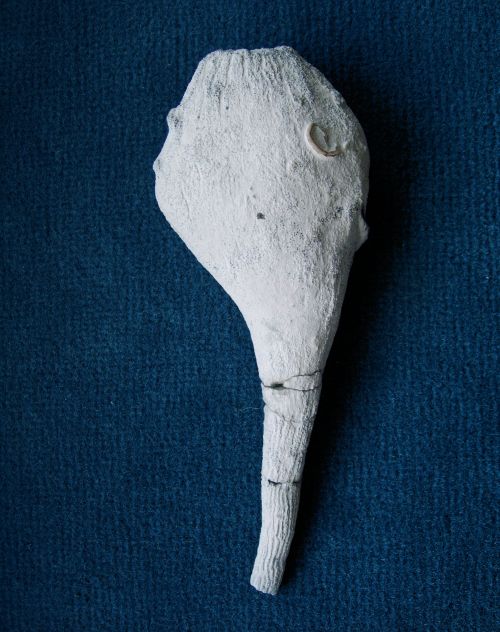
Figure 1 - Aulaxinia ventricosa, Teutonia, Misburg.
Height: 190 mm
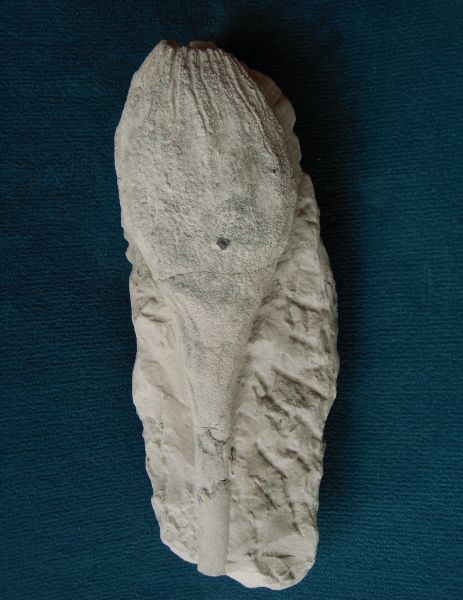
Figure 2 - Aulaxinia ventricosa, Teutonia, Misburg.
Height: 270 mm
Aulaxinia ventricosa
Roemer, 1841
Aulaxinia ventricosa is the largest among the Aulaxinia species, with heights often exceeding 200 mm. It is typically spindle-shaped, but comparatively stout in habit. The furrows are restricted to the lower and upper ends of the sponge body.
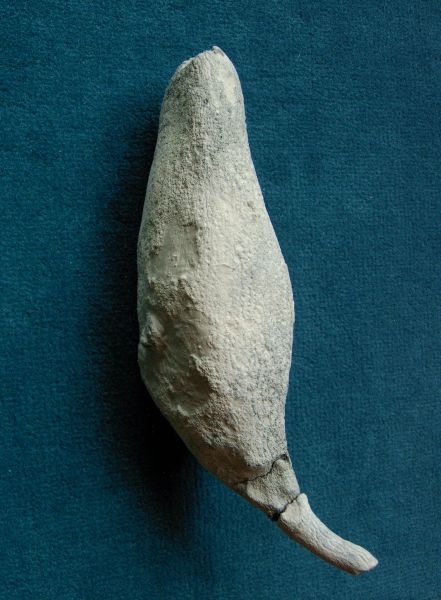
Figure 1 - Aulaxinia fallax, Teutonia, Misburg.
Height: 200 mm
Aulaxinia fallax
Schrammen 1912
The specimen shown here is probably Aulaxinia fallax, judging from its slender spindle shape and the numerous ostia. The latter are arranged to some degree in rows parallel to the axis, a feature more typical of Aulaxinia sulcifera. The furrows which are characteristic for all Aulaxinia species are not restricted to the stem and the periphery of the paragaster opening, but extend over the full height of the sponge and are fairly narrow.